- Researchers Prove Black Theory in a Laboratory Setting
 by Matthew Williams (https://www.universetoday.com/authors/houseofwilliams) on July 14, 2026 at 12:08 am
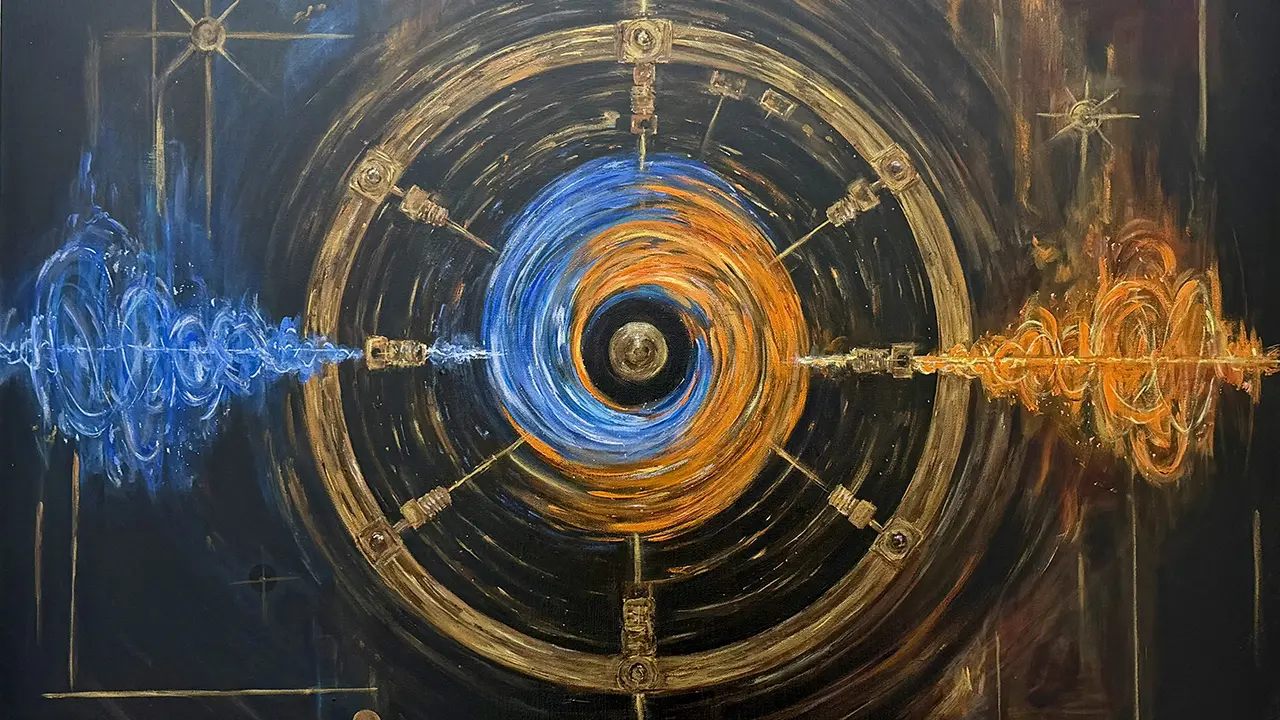
Researchers at the Advanced Science Research Center at the CUNY Graduate Center have demonstrated a new approach to wave amplification through interaction with rotating bodies. Rather than mechanically rotating matter, however, the team engineered a radio-frequency device with properties modulated in space and time to mimic spinning.
- Rebooting a Spacecraft, 140 Million Kilometres From Home.
 by Mark Thompson (https://www.universetoday.com/authors/mark) on July 13, 2026 at 10:30 pm
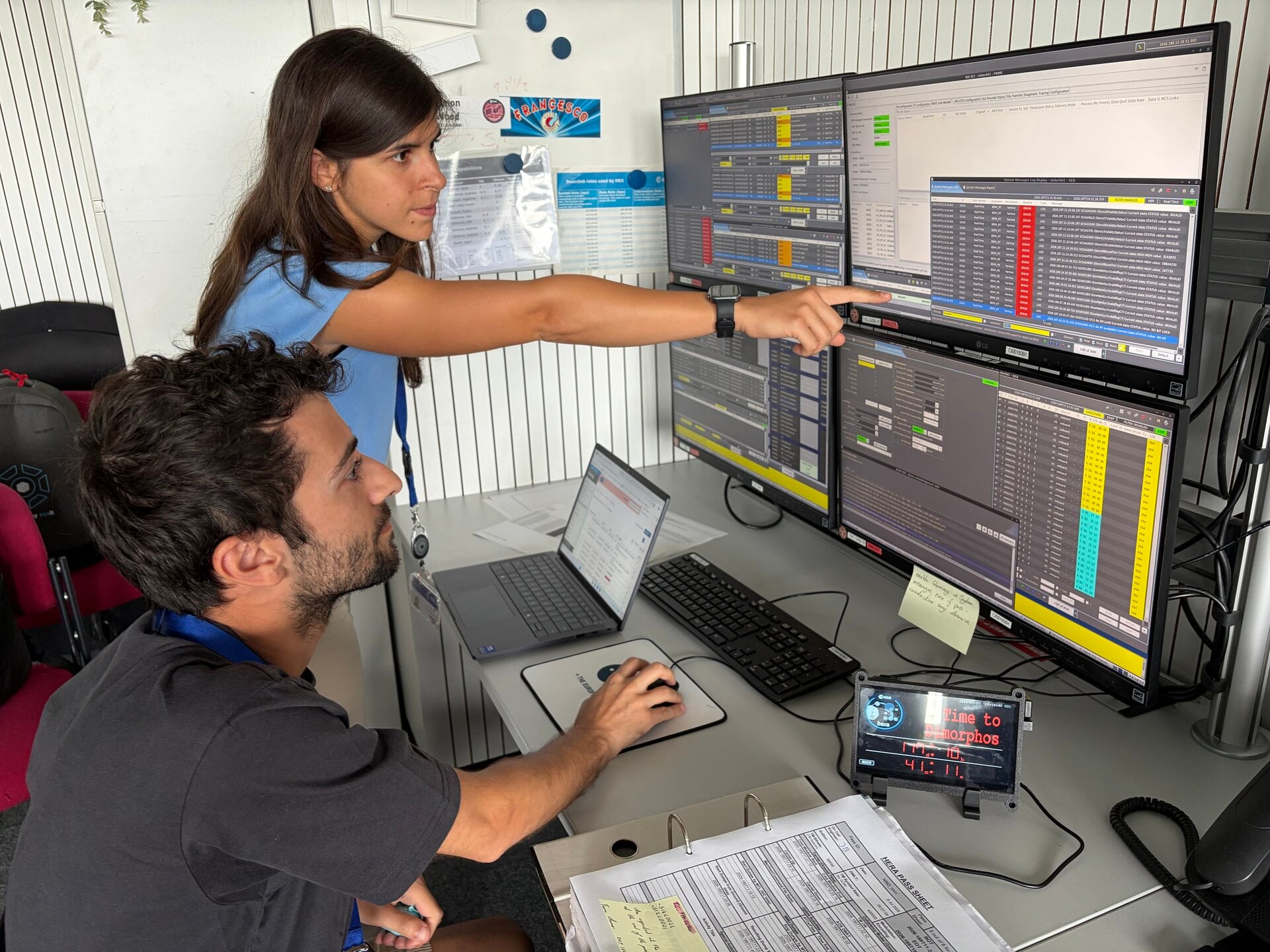
Engineers have just upgraded the software running a spacecraft 140 million kilometres away, then held their breath through two full reboots with an eight minute delay on every command. The prize for getting it right is a close up look at an asteroid humanity has already changed forever, and the answer to a question nobody has been able to answer since 2022, what did we actually do to it?
- Chemistry Reveals the Origins of an Interstellar Comet
 by Carolyn Collins Petersen (https://www.universetoday.com/authors/cc-petersen) on July 13, 2026 at 8:00 pm
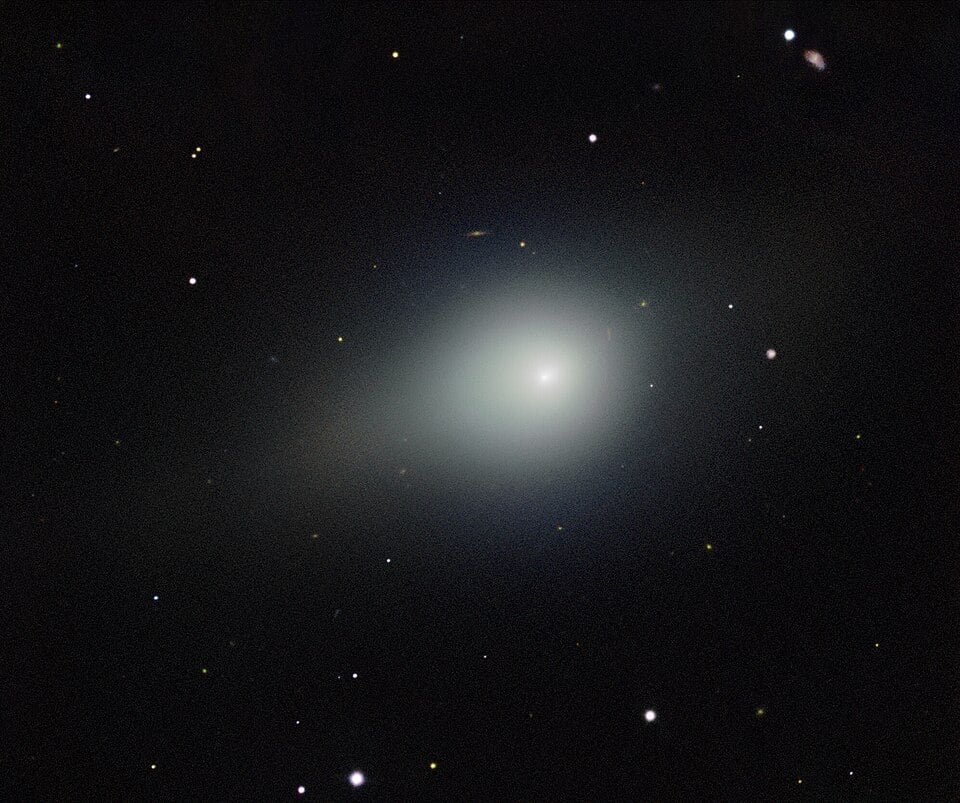
Somewhere in the Milky Way Galaxy is an old star that has lost one of its comets. By some quirk of orbital mechanics, that frozen nucleus of ice and dust got kicked out of its home system and into a long and winding trajectory across space. It entered our Solar System sometime in the distant past and traveled somewhat near to Earth on October 30, 2025, on its way through the system.
- How the SKA Will Use Fast Radio Bursts to Decode the Universe
 by Andy Tomaswick (https://www.universetoday.com/authors/andy-tomaswick) on July 13, 2026 at 7:29 pm
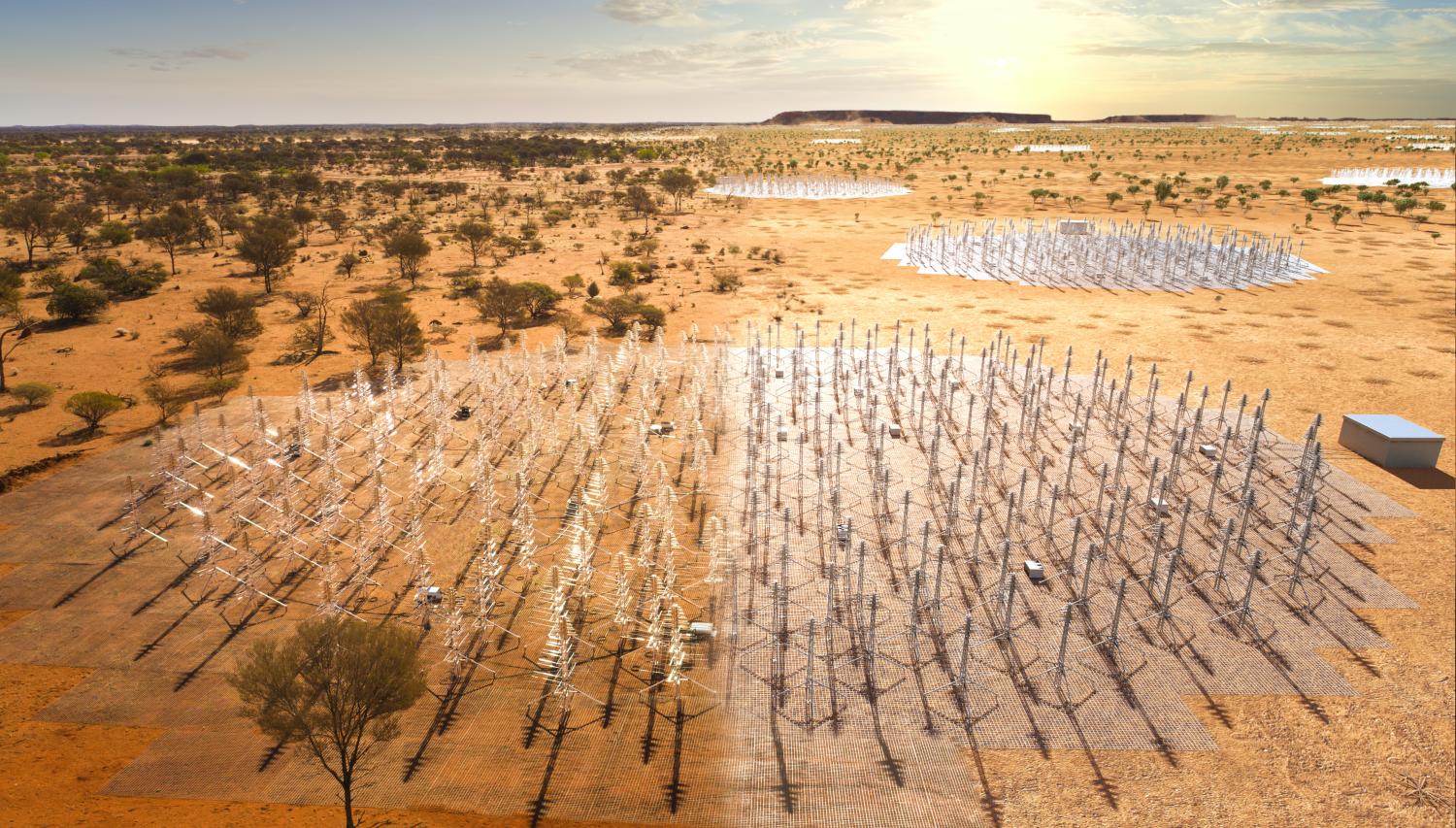
There are parts of the universe that are extremely hard to see, even for our most advanced telescopes. Gas and dust don’t emit any light, and are only visible by the light that they happen to block from stars and galaxies. Magnetic fields are even harder since regular light typically passes right through them. However, according to a new paper available in pre-print on arXiv, by Manisha Caleb of the University of Sydney and their co-authors, we’re currently commissioning a potentially game-changing new tool that could use a particularly violent astronomical phenomenon to provide new insight into these hard to see places.
- Are We Missing the Universe's "Noosignatures"?
 by Andy Tomaswick (https://www.universetoday.com/authors/andy-tomaswick) on July 13, 2026 at 6:05 pm
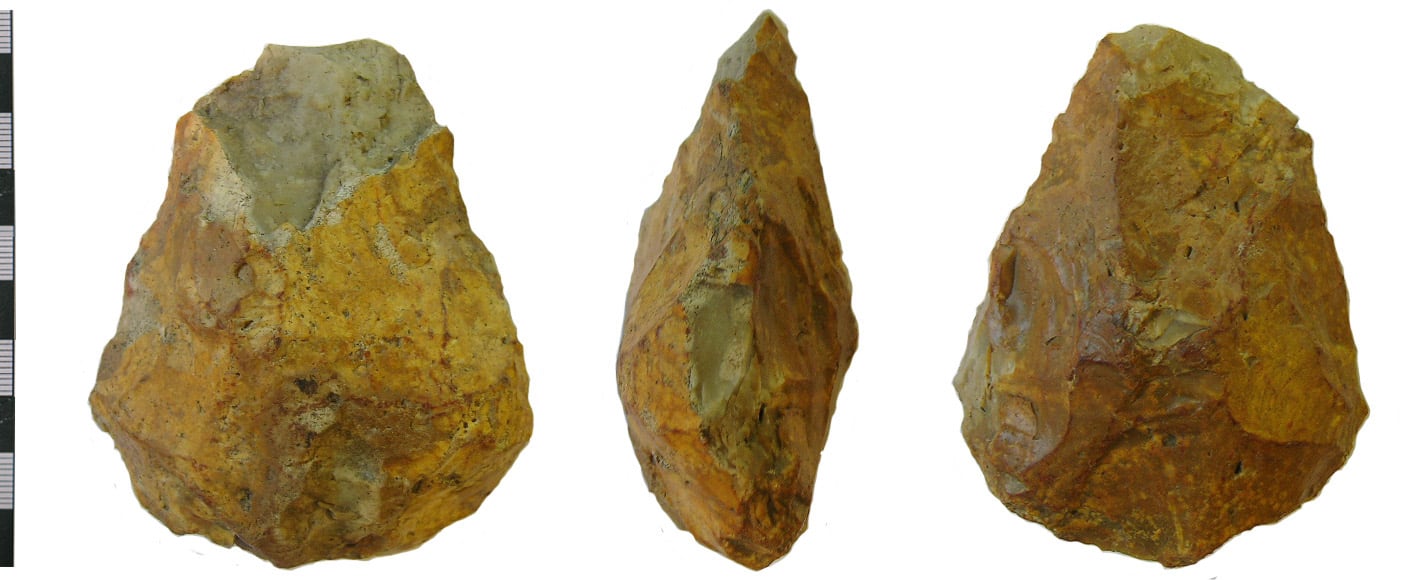
Astrobiology has long been split into two camps: a search for "biosignatures" and a search for "intelligence." These look for very different things, but they also leave a huge gap in between. It took 3.5 billion years for us to go from the first microbe to a civilization that sent radio waves out into the cosmos. Detecting life in between those stages is a relatively untouched aspect of astrobiology—which is also the focal point of a new paper, "Signs and Signatures of Intelligence", available in pre-print on arXiv, by astrobiologist Julia DeMarines.
- Watching Dawn and Dusk on a Distant Hot Jupiter
 by Mark Thompson (https://www.universetoday.com/authors/mark) on July 13, 2026 at 5:51 am
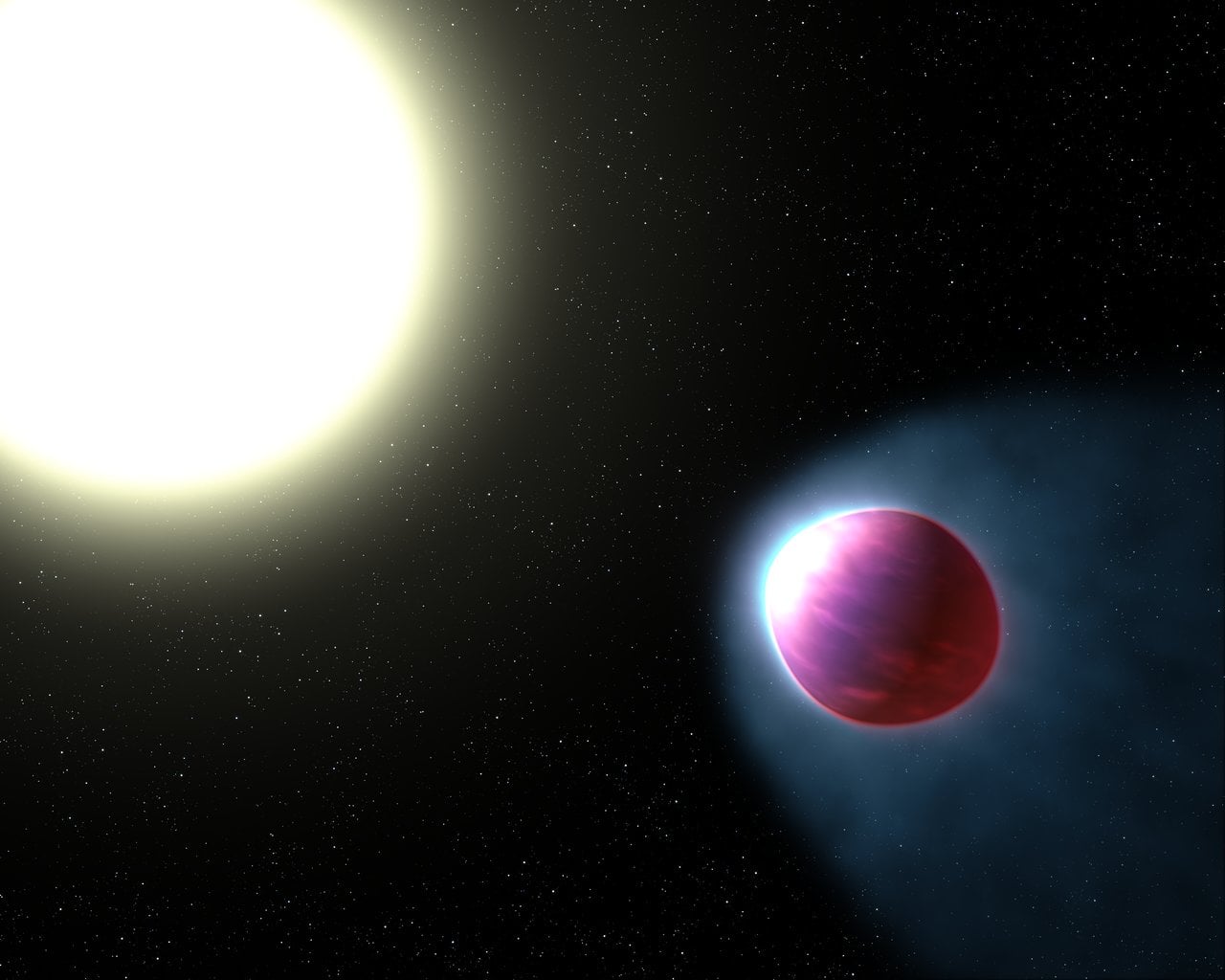
Astronomers using the James Webb Space Telescope have caught an extreme, tidally locked exoplanet in the act of showing two very different faces at once, a fierce, wind battered hemisphere and a comparatively gentler half. The discovery not only reveals a planet with a genuine weather system violent enough to tear water apart, it hints at a missing ingredient in how scientists model alien atmospheres altogether.
