- Diffuse puffs of “missing” matter surround most galaxies
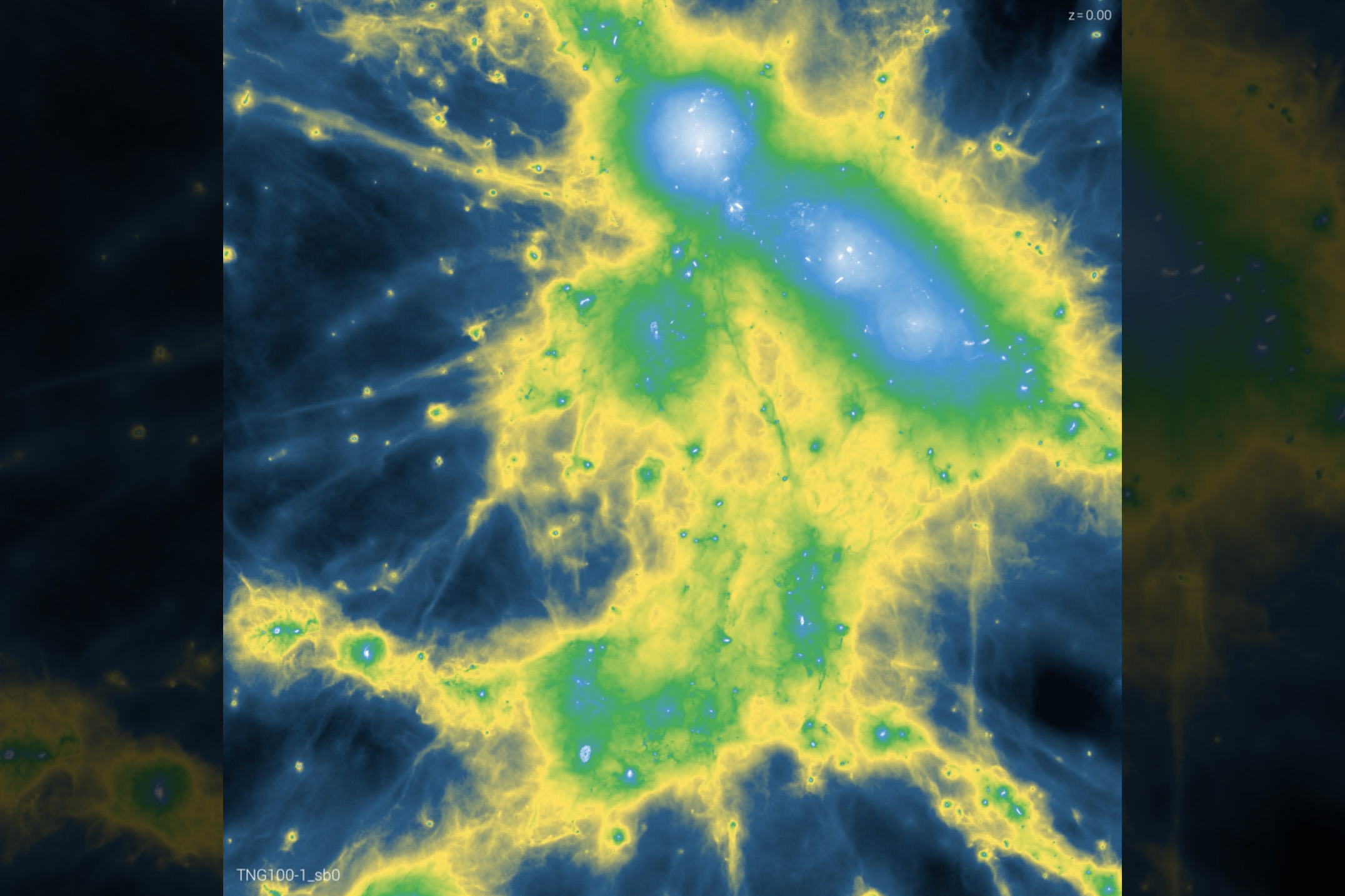 by Jennifer Chu | MIT News on July 21, 2026 at 3:00 pm
An MIT-led team used bright radio bursts to illuminate a vast source of matter that was previously unaccounted for.
- Many black holes had past lives, new research shows
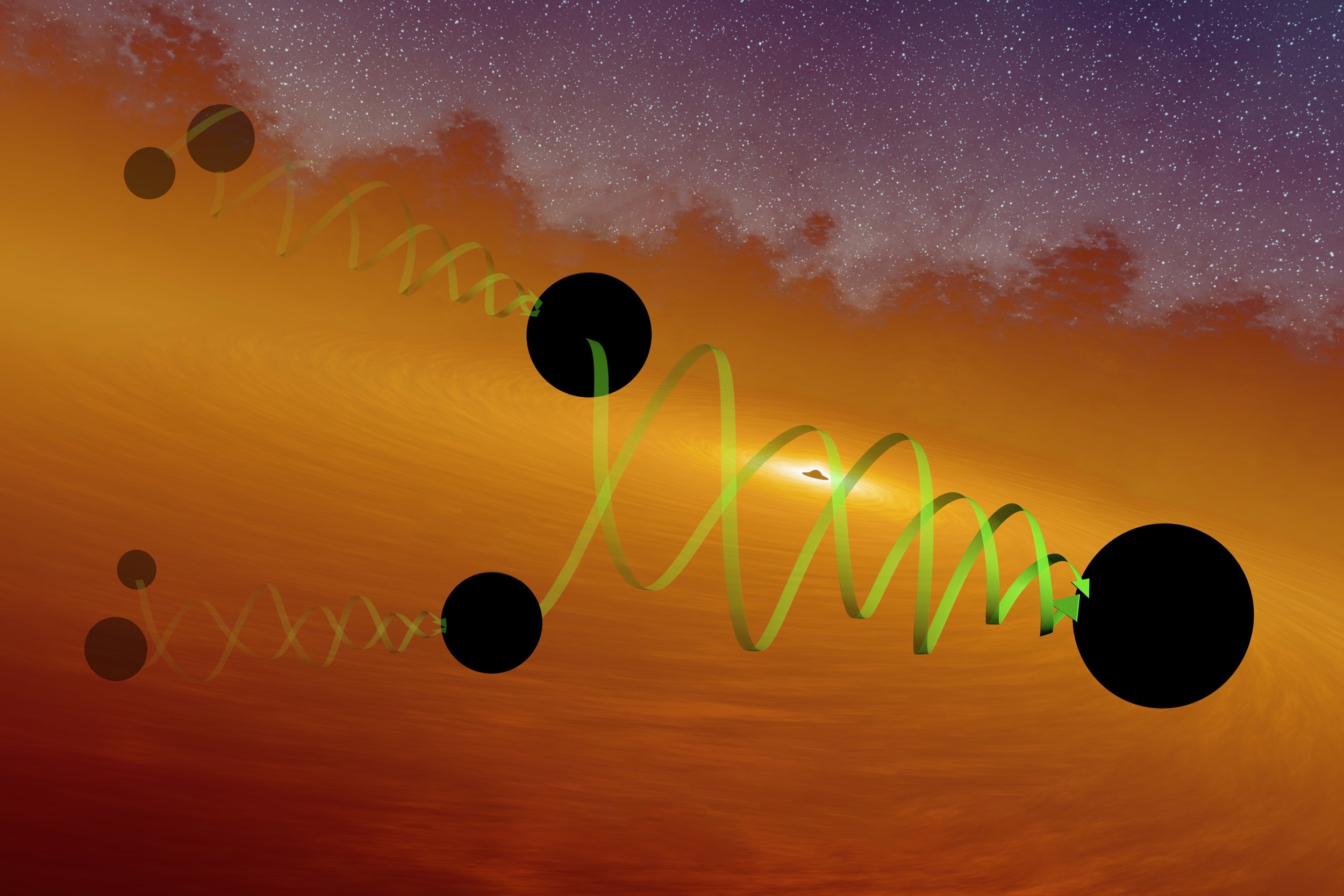 by Jennifer Chu | MIT News on July 7, 2026 at 4:00 pm
Physicists have found signs of colliding black holes that are themselves products of previous black hole smash-ups.
- Listening for the echoes of black holes
 by Jennifer Chu | MIT News on June 26, 2026 at 4:00 am
By analyzing X-ray reverberations and other astrophysical data, Erin Kara seeks to understand the most extreme objects in the universe.
- Astronomers map a magnetic “skeleton” funneling gas into a stellar nursery
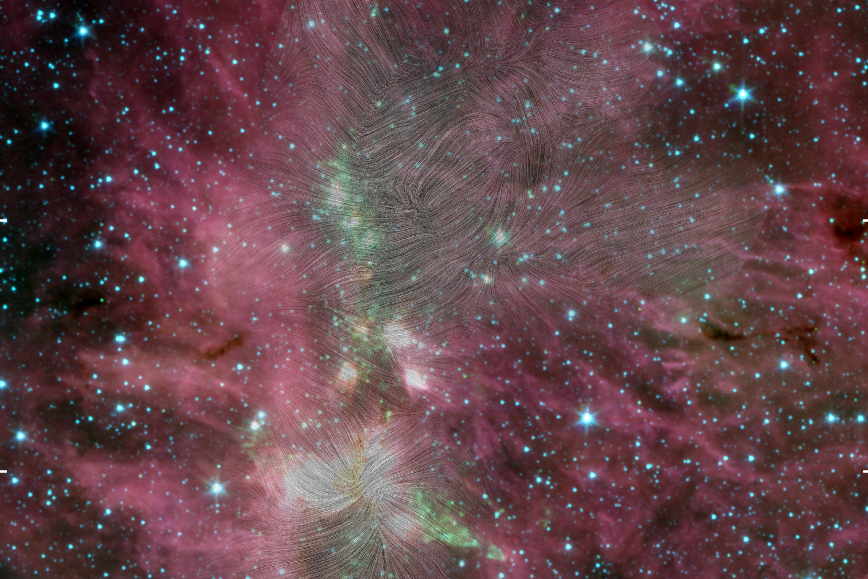 by MIT Haystack Observatory on June 22, 2026 at 2:20 pm
MIT Haystack Observatory researchers use SOFIA observations to reveal how magnetic fields guide the assembly of one of our galaxy's most active high-mass star-forming regions.
- MIT astronomers discover the earliest known flickering quasar
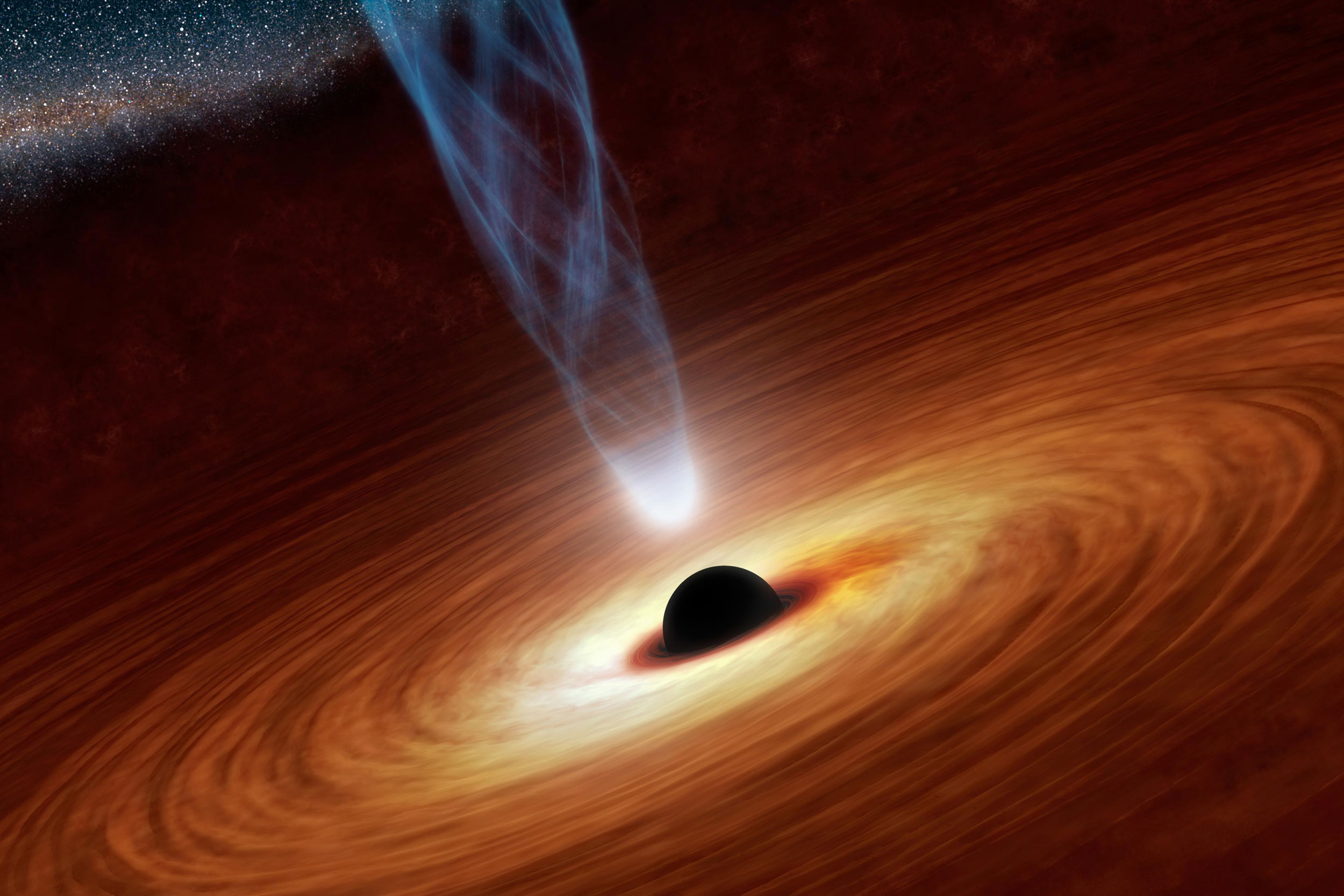 by Jennifer Chu | MIT News on June 8, 2026 at 9:00 am
When the universe was just 850 million years old, this voracious black hole was already surprisingly mature, a new study finds.
